
The world is getting hotter, and for most people, that means finding ways to stay comfortable through a difficult season. But for pregnant women, new mothers, breastfeeding women, and the health workers who care for them, extreme heat is not just discomfort. It is a public health reality that touches every part of their daily lives, their bodies, their babies, and their ability to give and receive safe care. A recent publication from HIGH Horizons captures exactly what this looks like for women living in urban townships, where structural and socioeconomic barriers make adapting to heat even harder.
HIGH Horizons has studied what rising temperatures mean for these groups across Africa and Europe and how simple, low-cost measures can support heat adaptation. Now we are giving you a front-row seat into this work through two short films and the voices of the people living it every day.
The first film, Heat, Pregnancy and Motherhood, follows three women across Zimbabwe, South Africa, and Greece sharing how they protect themselves and their babies from extreme heat. The second, Heat and Health Facilities, takes us inside the clinics and hospitals where mothers give birth, hearing directly from the health workers delivering care under increasingly dangerous heat conditions.
The Women Who Carry the Weight of the Heat
In the first film, Sharon is seven months pregnant in Chemugura Village, Zimbabwe and already knows what the heat costs her.
“When it’s hot I feel fatigue and my mouth dries up, and my whole body feels itchy.”
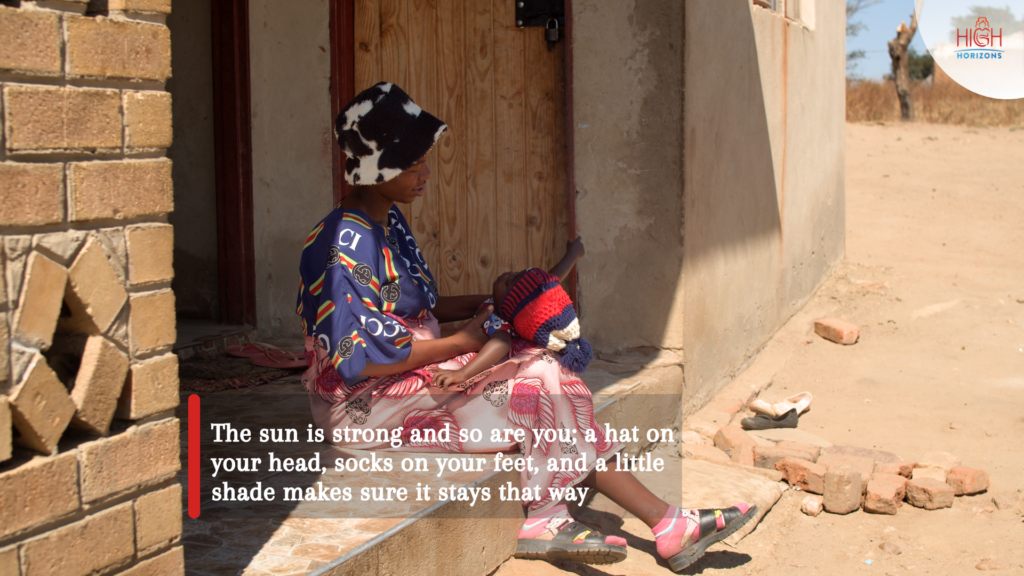
But Sharon does not wait for the heat to win. On the hottest days, her mother tells her to stop working and sit in the shade, and Sharon passes that same wisdom on to every pregnant woman she meets.
“When I meet other pregnant women, I advise them that when the sun is hot, sit in the shade and if you can’t find shade, go into your house and take off your blouse so that you can feel a cool breeze.”
In Pretoria, South Africa, Ephilled is 36 weeks pregnant and navigating the heat of an urban summer with two things she never leaves home without.
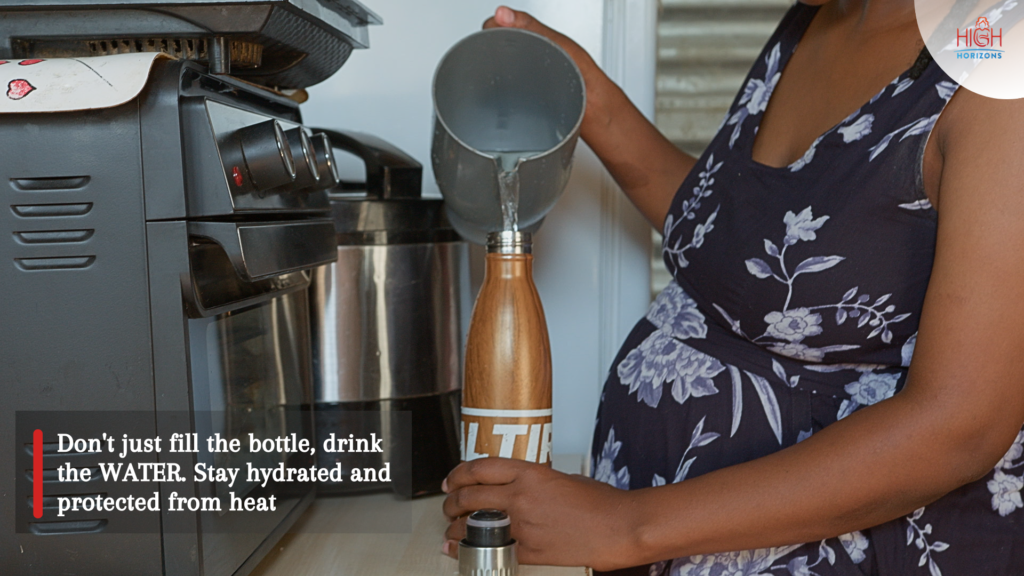
“I carry my water bottle and my umbrella to keep me from the heat.”
And in Athens, Greece, Zoe is a mother of three who has made preparation her most powerful tool against the heat.
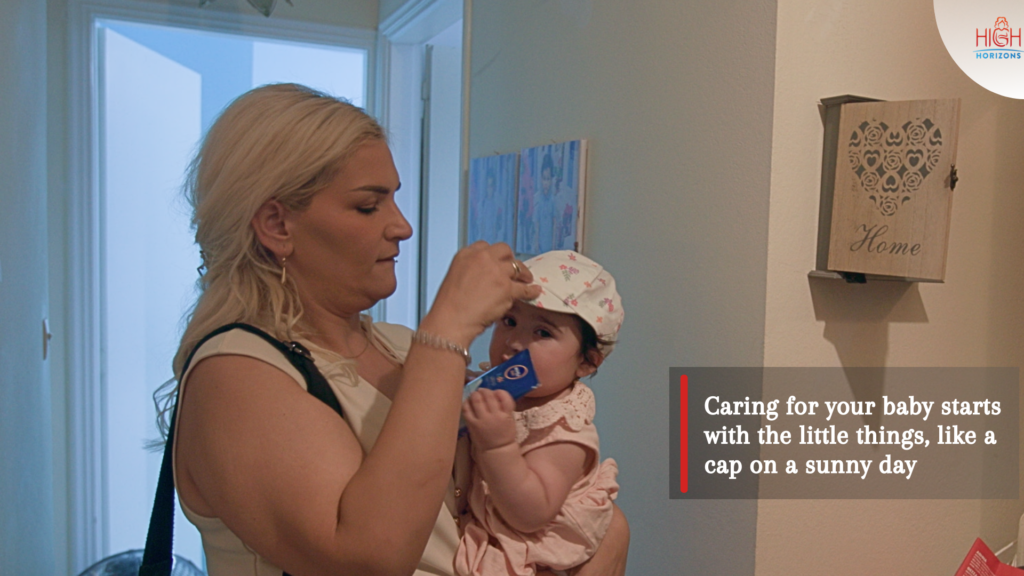
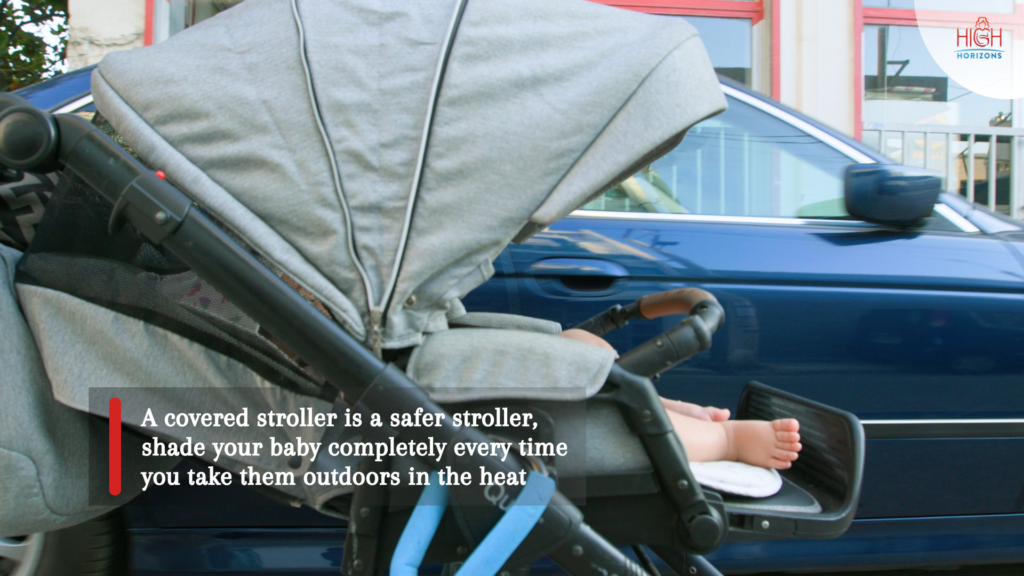
“When it’s hot outside and we have to go somewhere, we always stay in the shade and pack her hat before we go out.”
What the Heat Actually Does During Pregnancy & Motherhood
These women are not overreacting, and the science backs every instinct they have developed. Epidemiologist Shobna Sawry, who features in our first film, explains it plainly.
“During pregnancy, heat can affect your health, well-being, hydration, and even lead to complications like premature birth, stillbirths, low birth weight, diarrhea and malnutrition in mothers and their newborns.”
Headaches, dizziness, excessive sweating, difficulty sleeping and early contractions are all signs that the body is struggling with the heat, and they are preventable.
- Stay hydrated and carry a reusable water bottle.
- Breastfeed more frequently in the heat.
- Find shade, wear loose clothing, and use a hat or an umbrella. Rest regularly. Dip your hands and feet in cool water.
- Plan outdoor activities for the early morning or late evening.
- Ask for help with heavy loads, and never, under any circumstances, wrap or swaddle your baby when it is hot.
Health Workers Feel the Heat Too
The second film takes us inside the health facilities where these women give birth and receive care, and what we find there is just as urgent.
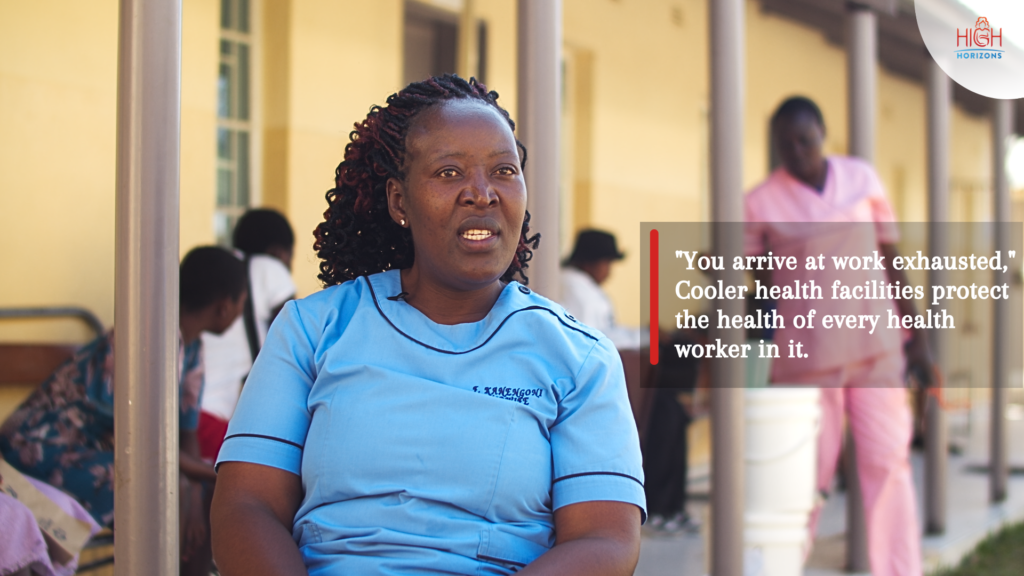
Florence Kanengoni is a midwife at Mount Darwin Hospital in Zimbabwe.
“For us as health workers, when it’s very hot, you arrive at work exhausted. Your performance is very low, because of the heat exhaustion and fatigue, dehydration and headaches, so you cannot perform well.”
In South Africa, Noma, a midwife at Stanza Bopape Community Health Centre, describes the same reality.
“You get tired, very very tired, it’s like heat exhaustion gets you and when you get tired you want to drink more water. As you drink more water you want to go to the toilet, that affects the queue of the patients.”
The Solutions Are Already Here
Computer simulations of Mount Darwin Hospital in Zimbabwe have shown that white painted roofs, better ventilation, roof overhangs, surrounding trees and improved insulation can keep health facilities significantly cooler even as outdoor temperatures continue to rise. You can explore the full simulation findings here.
To help health facilities take the first practical step, HIGH Horizons has also developed a simple, easy-to-use checklist that allows any health facility to screen for heat-related risks and identify measures to reduce them. Download the checklist here.
In places where electricity is unreliable, solar power, solar water heating and energy-efficient equipment offer clean and affordable alternatives to diesel generators. Smarter waste management, LED lighting and modern medical fridges reduce both the carbon footprint and the running costs of care.
And in Greece, the results of investing in these solutions are already visible. At the newly renovated Nea Makri Health Centre just outside Athens, obstetrician Georgia Sotiropoulou describes the difference it has made.
“The building’s energy upgrade has allowed us to enjoy stable, comfortable indoor temperatures and quieter spaces, thanks to better insulation and improved air quality from the modern ventilation systems.”
And beyond the building itself, Georgia and her colleagues are now making heat protection advice a standard part of every consultation with pregnant and postpartum women.
“When I advise women on protective measures, I have noticed that those who follow them enjoy a better quality of life, a smoother pregnancy and they are simply happier.”
Watch the Films
Watch Film 1, Heat, Pregnancy, and Motherhood, and share it with every pregnant woman, new mother, and caregiver in your life.
🎬 Watch Film 1 here: https://youtu.be/sofW-NzXQYE?si=MzwIC5C_J7ur_c31
Watch Film 2, Heat and Health Facilities, and share it with every health worker, facility manager and policymaker you know.
🎬 Watch Film 2 here: https://youtu.be/rMF2yLW_BR0?si=f7sBoaQo3ysXXf2M
The heat is rising, and these films belong in every conversation happening about it. Watch them, share them, and help us make sure they reach everyone who needs them.
At HIGH Horizons, we are promoting the integration of climate adaptation and mitigation into maternal, newborn, and child health services & strengthening health system resilience.
Follow us on LinkedIn at HIGHHorizons and visit our blog at highhorizons.eu to learn more about our work & stay updated
