Contact us on:

Our Project Team
Our diverse, passionate researchers are united by a common goal: protecting mothers and babies in a warming world.
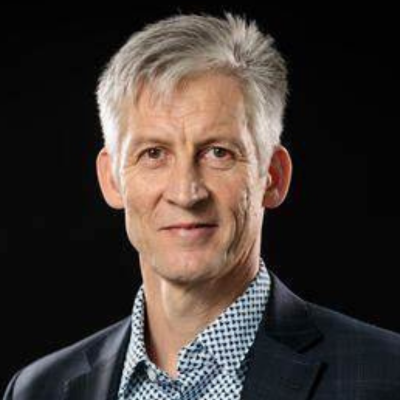
Stanley Luchters
Ghent University, Belgium
Stanley Luchters is a medical epidemiologist with extensive experience in sexual and reproductive health and rights (SRHR) among people in low-income countries and particularly among marginalized populations. His main expertise is in the design, conduct and evaluation of health interventions that have a public health impact in resource-constrained settings. He has been Professor of the Department of Public Health and Primary Care at Ghent University, Belgium since 2010 and the scientific coordinator of the HIGH Horizons project.
He is currently the Executive Director of CeSHHAR Zimbabwe, where he leads initiatives on health and climate change, notably focusing on sexual and reproductive health. Under his guidance, CeSHHAR has expanded its research to address the health implications of climate change, particularly in vulnerable communities. He has been instrumental in fostering collaborations that integrate health and environmental policies to enhance resilience in Africa.

Debra Jackson
London School of Hygiene & Tropical Medicine
Debra Jackson is a professor and the inaugural Takeda Chair in Global Child Health and Co-Director of the MARCH Centre at LSHTM, London. She is also Extraordinary Professor, School of Public Health, University of the Western Cape, South Africa. Her current research includes the HIGH Horizons project focusing on climate, heat and the health of mothers and children.

Sibusiso Mkwananzi
WITS RHI, South Africa
Sibusiso Mkwananzi is a demographer, quantitative methodologist, and gender–health researcher with over two decades of experience at the intersection of structural inequality, public health, and climate vulnerability in sub-Saharan Africa. Her research generates context-specific evidence for transformative policies and programmes in SRHR, GBV prevention, and climate–health equity, with key interests spanning intersectional health inequalities, teenage pregnancy, the demographic dividend, and youth and education policy transformation. She has led multi-country initiatives funded by the Wellcome Trust, Horizon Europe, the Oppenheimer Memorial Trust, the NRF, UNFPA, and the NIHSS, and authored more than 30 peer-reviewed publications. As a National Planning Commissioner, she advises governments and development partners on gender, health, climate resilience, education, and population policy.
She has led and managed projects across Hillbrow, Tshwane and Soweto, in South Africa. Since 2022, her portfolio of work has expanded to include Climate and Health Research. She is currently a co-investigator on the Wellcome-funded HAPI study and the HIGH Horizons project at Wits RHI.
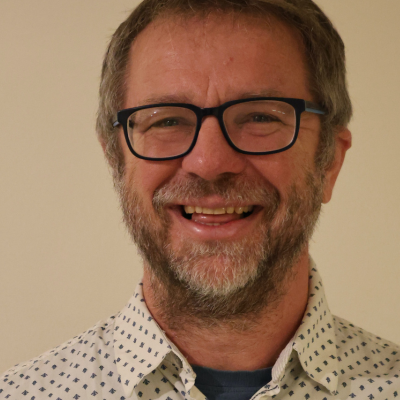
Matthew Chersich
WITS PHR, South Africa
Matthew Chersich is a Research Professor and Executive Director of the Wits Planetary Health Division, University of the Witwatersrand, South Africa and Research Fellow at Public Health and Primary Care, School of Medicine, Trinity College, Ireland. For over 20 years he has worked in medical and public health research in Africa, with a focus on maternal health and HIV, and more recently on climate change and health. His work on climate change has centered on assessing the impacts of climate change on maternal health and HIV, consolidating his experience in the disciplines of clinical medicine, biostatistics, epidemiology and public health.
Currently, he is leading the NIH HEAT Center on data science and climate change, as well as Wellcome Trust grants that examine the biological pathways mediating heat effects in pregnancy, and the effectiveness of adaptation interventions.
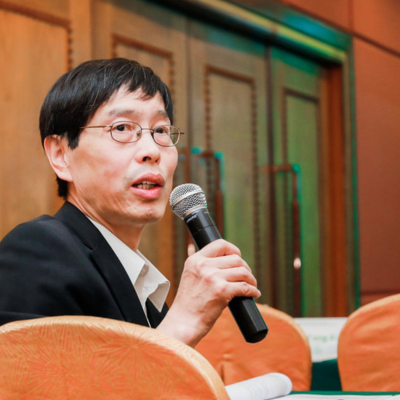
Chuansi Gao
Lund University, Sweden
Chuans Gaoi is an associate professor in human thermal environments and ergonomics. His current research focuses on thermal climate and health, heat and cold stress, effects of extreme weather events, thermal comfort and work performance. Recent research projects include the development of extreme heat and cold health early warning systems, protection and adaptation strategies.
One of the early warning systems ClimApp developed in the EU project he coordinated was awarded by The World Meteorological Organization (WMO) in 2020 in Category 1 – Awards for innovation and promotion of the use of weather and climate information for development: Honorable mention in Sub-category 2 – Award for Originality and Innovation. In the ongoing High Horizons project, he has been coordinating WP3 for the development and evaluation of a new early warning system MotherHeat Alert for maternal health.

Olof Stephansson
Karolinska Instituet, Sweden
Olof Stephansson is a professor and consultant in Obstetrics & Gynaecology focusing on studies on pregnancy and birth outcomes. His research includes studies on heat, air pollution and its association with mother and child outcomes including duration of labor and risk for mother and infant, chronic inflammatory disease and pregnancy outcome and risks associated with maternal obesity.
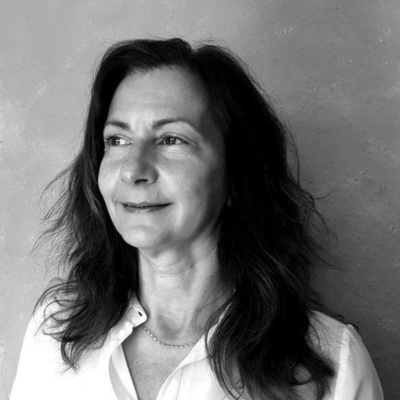
Portela, Anayda Gerarda
World Health Organization
Anayda Portela is a Scientist in the Department of Sexual, Reproductive, Maternal, Child and Adolescent Health and Ageing at the World Health Organization in Geneva. She has worked with governmental and non-governmental organisations for over 25 years in the design and implementation of health promotion and community programmes for Reproductive-Maternal-Newborn-

Jørn Toftum
Technical University of Denmark (DTU)
Jørn Toftum is a professor and head of the Indoor Environment Section at the Department of Environmental and Resource Engineering, Technical University of Denmark. For more than 30 years, he has been engaged in research in how the indoor environment in buildings affects people’s comfort, health and performance and in systems and methods for monitoring and control of building operation, energy consumption, and indoor environment.
Ilona Otto
University of Graz, Austria
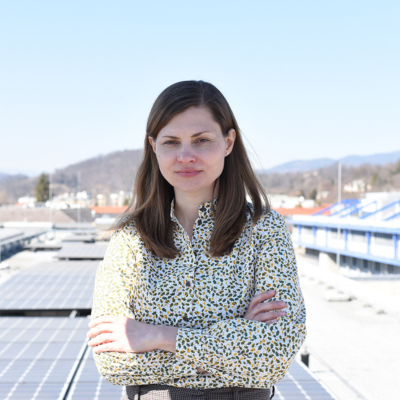
Ilona M. Otto holds the Professorship in Societal Impacts of Climate Change at the Wegener Center for Climate and Global Change, University of Graz.
She leads a research group focusing on Social Complexity and System Transformation. The group’s ambition is to use complex science theory and novel research methods to analyse social dynamic processes and interventions that are likely to spark rapid social changes necessary to radically transform the interactions of human societies with nature and ecosystem services in the next 30 years.
Aquinius Mung'atia
Aga Khan Health Services, Kenya
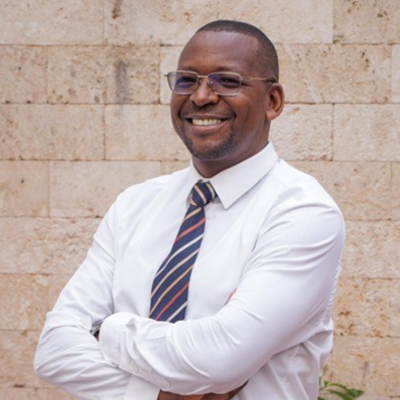
Aquinius Mung’atia holds a first degree in Hospitality and Institutional Management and Two master’s degrees in strategic management and healthcare management. With extensive experience in various organizations across Kenya, He has demonstrated capacity to work collaboratively with transdisciplinary experts and partners in private and public healthcare systems, bringing together expertise in facility management, healthcare management, environment and climate change.
He has driven significant policy changes at the national level, including noteworthy contributions to the development and implementation of carbon emission measurement initiatives in Kenya’s health facilities and beyond. He is committed to advancing sustainable healthcare practices and influencing positive change in healthcare, both in the private and public sector.

Fortunate Machingura
CESHHAR Zimbabwe
Dr. Fortunate Machingura is the Director of Climate, Environment, and Health at CeSHHAR Zimbabwe, where she leads research on the health impacts of climate change, particularly on vulnerable populations. She has pivoted from HIV research to focus on climate-health intersections, serving as a key investigator in projects like the High Horizons and the Heat Adaptation for Pregnant Women and Infants.
Her work also involves strengthening health policy and programming across Africa through research and capacity-building efforts.
Christos Hadjichristodoulou
University of Thessaly, Greece
Christos Hadjichristodoulou is Professor of Hygiene and Epidemiology at the University of Thessaly and Director of its Clinical-Laboratory Sector since 2023. Furthermore, he is the Head of the WHO Collaborating Center for the International Health Regulations: points of entry (GRE-27). He specializes in surveillance, preparedness, and response, with particular expertise in International Health Regulations and global public health systems. He has held key national roles, including Director of the National Center for Surveillance and Intervention (1997–2000), President of the National Public Health Organization (2023–2026), and member of the National Expert Committee in Public Health (2021-current).