It’s hot. The weather forecast says 34°C, but in the densely populated urban township of Mamelodi in the Tshwane District of South Africa, it feels even hotter. There are few trees, almost no shade, and the sun presses down on corrugated roofs and dusty streets.
For women who are pregnant or caring for babies in this condition, heat is an everyday struggle woven into their bodies, routines, and lived experience. Prolonged heat exposure has also been linked to preterm birth, low birthweight, and other adverse outcomes. However, heat-related health impacts do not always appear as dramatic crises but as cumulative strains: exhaustion, disrupted sleep, irritability, reduced appetite, and mounting anxiety, which over time become a health crisis.
To better understand how heat is lived, experienced, and coped with, researchers on the HIGH Horizons Project worked alongside pregnant and postpartum women in Mamelodi during the peak of summer, December 2023 and January 2024.
The study used Photovoice, a participatory research method that enables people to document and share their experiences through photography and group discussion. Pregnant and postpartum women living in an urban township documented their experiences of heat through photographs, captions, and group discussions, shaping the narrative on their own terms. These insights will support the co-development of messages for early warning systems, such as HIGH Horizons’ MotherHeat Alert App.
Coping Becomes “Un-Coping”
A key insight from the study is the concept of “un-coping”. While women actively tried to adapt, structural and socioeconomic barriers frequently undermined their efforts. Limited access to water, heat-trapping housing, and inadequate public infrastructure meant that coping strategies were often insufficient or even counterproductive. Un-coping captures the gap between individual effort and environmental reality, highlighting why programmes cannot limit adaptation measures to focusing on personal responsibility alone. These are moments when women are actively trying to adapt to the heat, but the conditions around them make those efforts fall short.
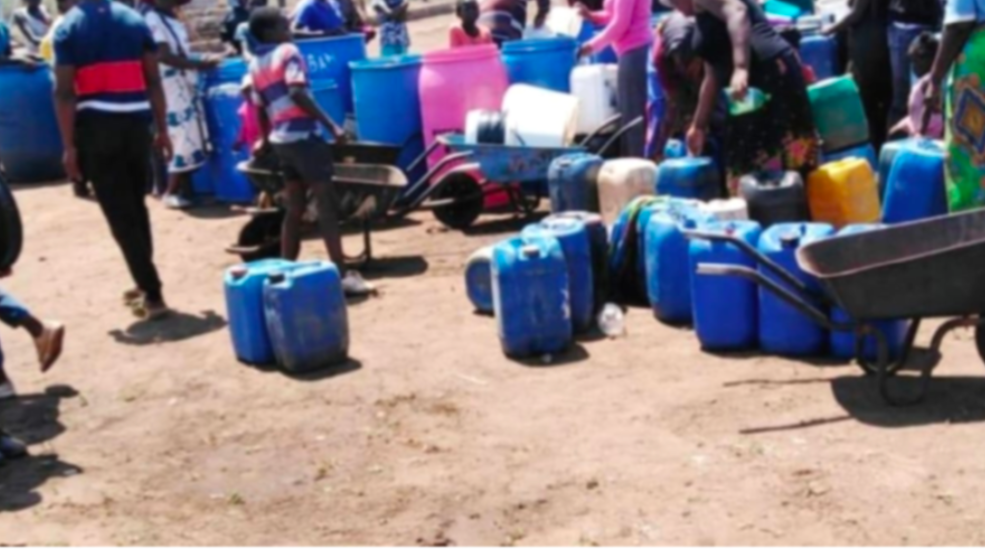
“On the day I took the picture, it was in the morning around 9 am and that time I was having a newborn baby and no water in the house. It took me two hours to get that water, waiting for the truck to come and the queue was long.” (Pregnant woman, multiparous, 36 years)
For governments, global health institutions and funders, including those supporting climate-resilient health systems in low- and middle-income countries, this study highlights the importance of investing in structural enablers of adaptation. Without these, calls for resilience may unintentionally normalise exposure and shift responsibility onto those least able to absorb climate risk.
The findings and conclusions from this photovoice study were published in the Global Public Health Journal: Read here
At HIGH Horizons, we are promoting the integration of climate adaptation and mitigation into maternal, newborn, and child health services & strengthening health system resilience.
Follow us on LinkedIn at HIGHHorizons and visit our blog at highhorizons.eu to learn more about our work & stay updated.
This blog post was drafted, refined, and edited in collaboration with the Wits PHR team.