
Public dialogues on climate change have long been dominated by concerns about carbon emissions, biodiversity loss, and economic disruption. Far less attention has been given to a more immediate consequence: the ways environmental changes are reshaping disease patterns, weakening food systems, and stretching fragile health infrastructures. Climate change has become a structural driver of diseases and mortality, especially for mothers, newborns and children.
For many governments, particularly in Africa, this emerging reality presents a complex challenge. Health systems built to treat and respond to disease are now expected to anticipate and prevent climate-related health risks. This shift requires data that links local climate trends to health outcomes, budgets that prioritize these risks, and partnerships that recognize that one actor cannot safeguard populations against climate risks.
At the Pan-African Conference on Environment, Climate Change and Health in Nairobi, the central message was “Climate-health resilience will depend on how well Africa turns research into actionable systems change.” This captures the important truth that knowledge alone does not protect populations. Knowledge must be carried into policy and grounded in communities and lived experiences
The Human Body as a Climate Sensor
Extreme heat places direct strain on the human body by increasing dehydration, cardiovascular stress, and susceptibility to infections. This also accelerates the growth of bacteria in water sources and faster food spoilage, multiplying the spread of diarrheal diseases. Newborns, children, and the elderly face higher risks from heat exposure because their bodies warm up faster, lose fluids more quickly, and take longer to cool down. Pregnant and postpartum mothers also experience added heat stress as their bodies adjust and recover from pregnancy and childbirth while managing fluid loss, hormonal changes, and increased energy demands. Climate change is therefore widening inequality and deepening health disparities for vulnerable populations.
If health systems are often slow to detect and respond to environmental change, the human body is not. It responds immediately, signaling when conditions become unsafe long before data systems can catch up. Heat exhaustion, dehydration, lapses in concentration, and rising infection rates act as early warning signs that climate pressures are exceeding what the body can cope with. Climate change has become a physiological factor, shaping how people function, how they fall ill, and how they recover. Understanding these responses is therefore essential for designing climate-resilient health systems that can protect those most affected.
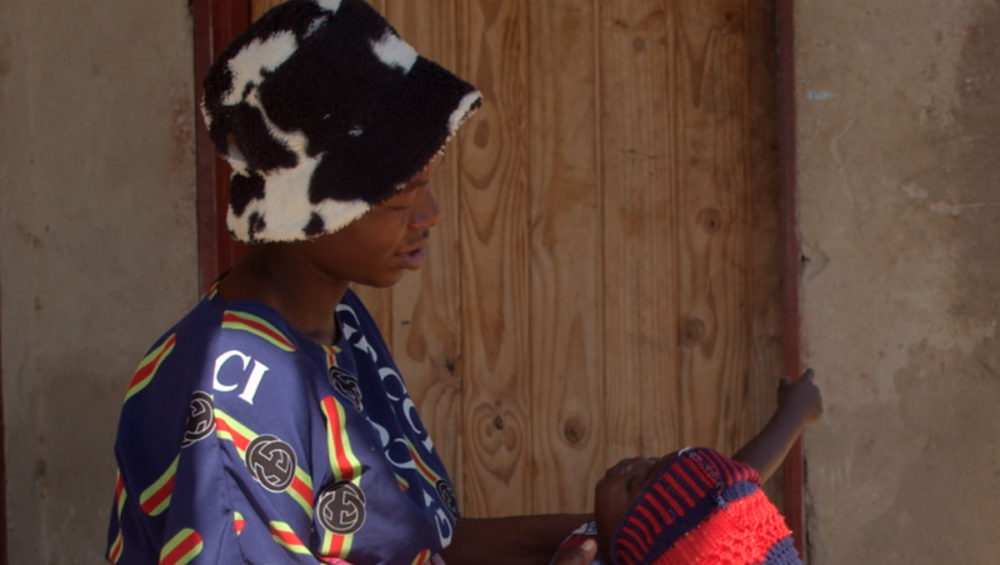
Dr Pascalia Munyewende’s research, presented at the Pan-African Conference, titled “A qualitative study of postpartum women’s experiences and strategies with infant care through heat exposure in Tshwane, South Africa” illustrates how these physiological effects appear in daily life. One mother described how rising temperatures altered her infant’s feeding patterns: “Sometimes breastfeeding is not helping with the crying…”
Breastfeeding has always been the recommended source of hydration for newborns, yet higher temperatures introduce new and interconnected environmental and physiological challenges. Babies feed more frequently but tire easily, mothers struggle with dehydration while trying to maintain milk supply, and both experience discomfort that affects bonding and routine care. These subtle but significant changes show how heat can influence maternal and newborn health long before it becomes visible in clinical data.
What Africa Needs to Strengthen Climate-Health Action
The conversations at the Pan-African Conference revealed that Africa continues to produce valuable climate-health data. Yet data alone does not create or translate into action or protection of vulnerable populations. Countries need people who can interpret evidence, translate it into policy, and support implementation at facility and community level. Climate resilience is therefore a call to action.
Prof Tafadzwa Mabhaudhi from the Lancet Countdown Africa Regional Centre shared a key message:
“We can gather all the data we want, but without wisdom, we won’t achieve the impact we need.”
Wisdom here refers to the ability to interpret data in context, ask the right questions, and build solutions that recognise social, environmental, and health realities at the same time. This wisdom comes from trained professionals who understand both the science and the systems where change must take place. It also comes from listening to the people and communities that are directly affected.
Many health systems in Africa were built for predictable threats such as malaria, maternal mortality, and infectious diseases that follow known patterns. Climate change has disrupted those patterns because mosquitoes now thrive in new regions, flooded communities experience outbreaks that health facilities are not equipped to manage, hospital power systems fail during heatwaves and supply chains stall when extreme weather interrupts transport routes.
The way forward is not just technology but a combination of institutional actors that can translate science into policy and policy into practice. Environmental monitoring should begin to feed into national health planning. Research bodies should engage directly with ministries and local communities. Private and civil society actors should support frontline systems rather than operate in parallel to them. Environmental sustainability and climate resilience need to become core pillars of public health governance.
Additionally, for climate-health work to succeed, Africa needs greater investment in capacity development: policy literacy, community engagement, environmental planning, and systems design are just as important as scientific expertise.
Science Needs Policy. Policy Needs Partnerships.
Effective climate-health action is therefore less about discovering new solutions and more about integrating existing knowledge. Three forms of cooperation are critical:
1. Science that Informs Policy
Research institutions generate valuable climate and epidemiological data, but this information is often not translated into policy or budget allocations. Countries need frameworks that require scientific evidence to guide public health decisions.
2. Policy that Anticipates Future Risks
National strategies must treat climate threats as predictable and preventable. This means building early warning systems, investing in resilient infrastructure, and designing financing models that reward preparedness & prevention instead of reaction.
3. Partnerships that Strengthen Service Delivery
Civil society organisations, private actors, and development partners must align their programmes with national systems rather than create parallel structures. Effective partnerships should reinforce capacity at the local level, where climate impacts are most felt. Climate action will safeguard future generations.
At HIGH Horizons we are promoting the integration of climate adaptation and mitigation into maternal, newborn, and child health services & the tracking of heat-health indicators at country and global level.
Follow us on LinkedIn at HIGHHorizons and visit our blog at highhorizons.eu to learn more about our work & stay updated