High Horizons

Co-design in climate adaptation 

The evidence on extreme heat and maternal health is robust, growing and increasingly difficult to ignore, and yet the gap between what that evidence recommends and what pregnant women and new mothers are actually able to do in the face of extreme heat remains one of the most persistent challenges in translating climate health research into real-world impact. Understanding why that gap exists, and how to close it, requires the global health community to look beyond the quality of its science and examine the assumptions embedded in how it designs the tools and systems built from that science. 
IMNH Banner CategoriesBlog Posts Event

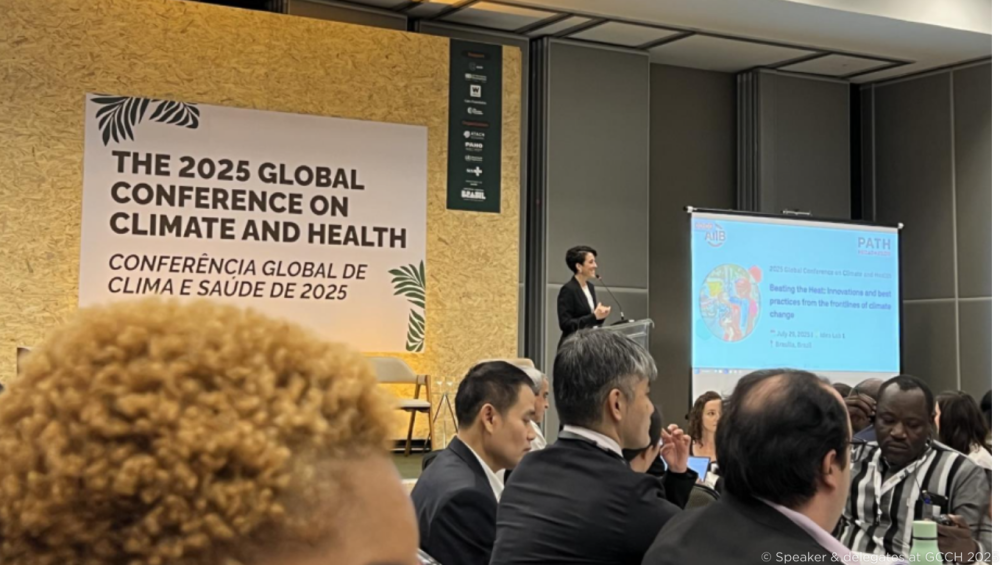
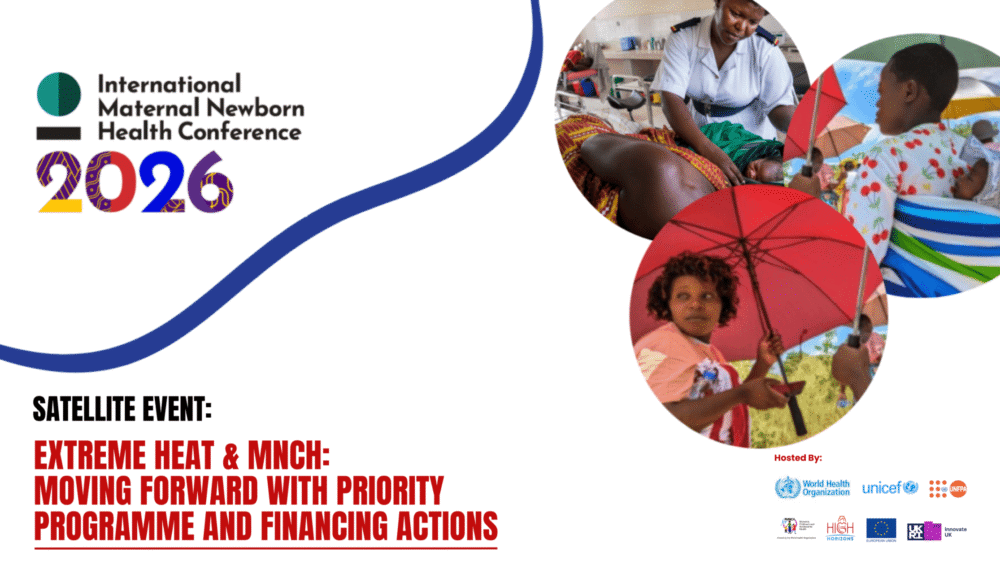
HIGH Horizons at IMNCH 2026: Evidence to Action on Extreme Heat and MNCH

The International Maternal Newborn Health Conference (IMNHC) 2026 brings together governments, civil society organizations, professional associations, and international partners from the global maternal and newborn health community to assess progress and drive collective action. It will take place from March 23–26, 2026, at The Edge Convention Center, Nairobi, Kenya, and it is one of the […]

CategoriesBlog Posts

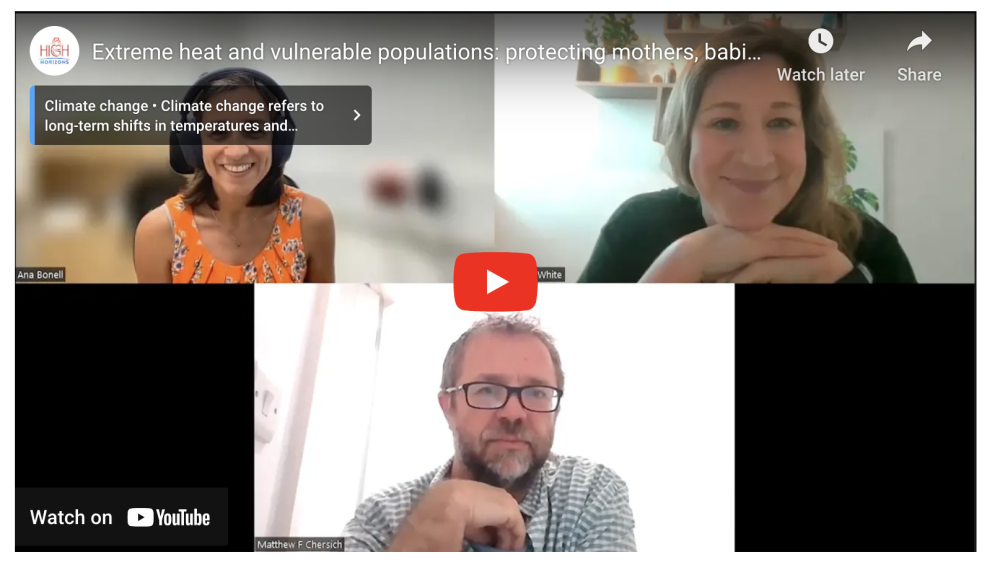
Who’s vulnerable to extreme heat and how can we protect them?: In Conversation With Dr Ana Bonell And Dr Matthew Chersich

According to the World Meteorological Organization (WMO), heatwave events have increased sixfold since the 1980s, driven by the naturally occurring El Nino and exacerbated by human-induced warming from greenhouse gases. Current projections say we’re 1.2oC warmer than pre-industrial levels, and global warming is likely to reach 1.5°C between 2030 and 2052. These extreme heat events are having […]

CategoriesBlog Posts

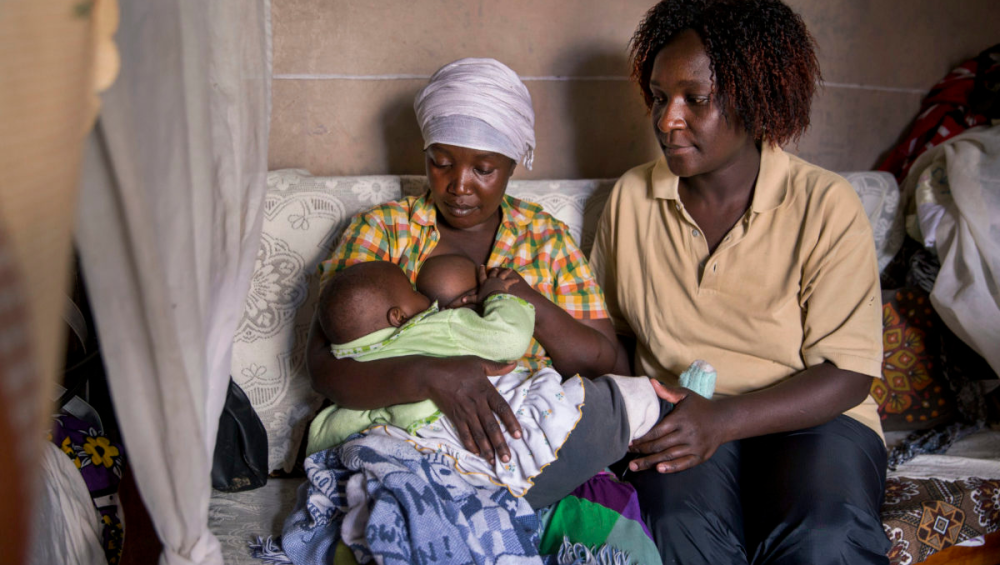
How does extreme heat impact on breastfeeding? 

Soaring temperatures from the newly declared El Niño have seen much of the Mediterranean and North Africa living in 40°C weather for prolonged number of days. And it looks like this weather is not settling anytime soon – El Niño episodes usually last between nine to 12 months.   According to the World Meteorological Organization (WMO), […]