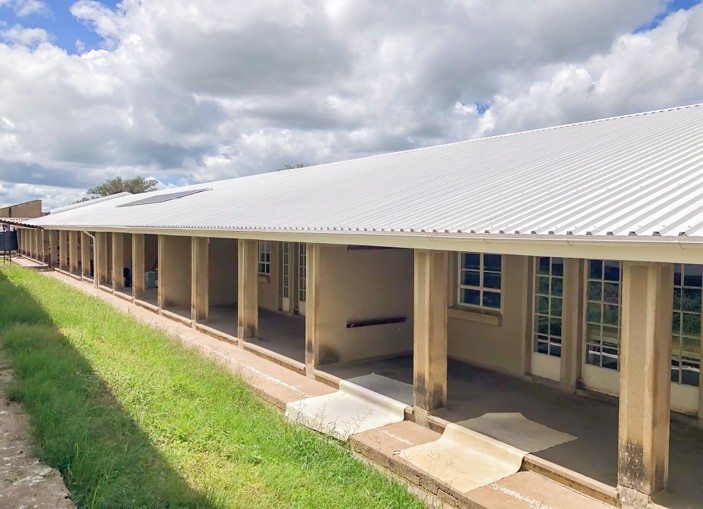
Extreme ambient temperatures pose a severe institutional threat to healthcare delivery, compromise occupational health, and adverse maternal, new-born, and child health (MNCH) outcomes. In rural Zimbabwe, the Heat Indicators of Global Health (HIGH Horizons) project conducted empirical research across three health facilities, Mount Darwin District Hospital, Dotito Rural Health Centre, and Chitse Rural Health Centre, drawing on quantitative and qualitative data to assess heat-exposure risks and co-design systemic climate adaptation strategies.
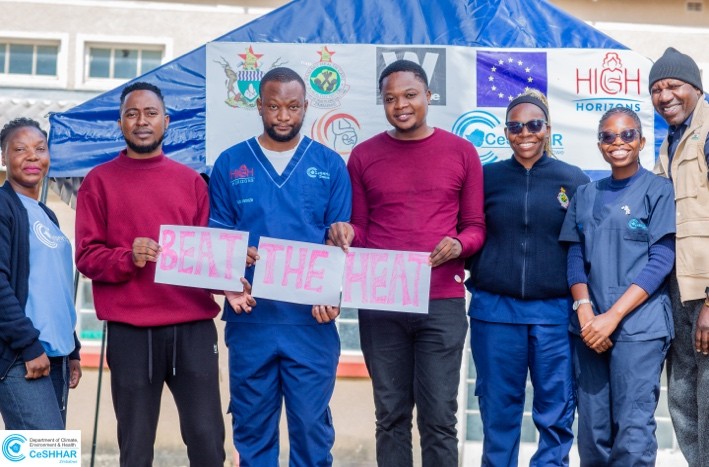
Quantifying the “Invisible” Burden of Thermal Stress
Using a rigorous mixed-methods framework, researchers deployed indoor/outdoor meteorological stations alongside wearable biometric sensors to monitor healthcare workers’ heart rates and core body temperatures. These environmental data were cross-referenced with time-motion studies and longitudinal health records—including metrics on stillbirths, low birth weight, and neonatal admissions.
The baseline research revealed that extreme occupational heat exposure induces rapid fatigue and alters clinical workflows. Mr Dealer Dotoro, the Nurse In Charge, Dotito Clinic, observed:
“Extreme heat would lead us also to tire quickly, then affect our quality services to our clients.”
Prior to this systematic quantification, environmental heat stress was largely normalized and unrecorded within rural clinics. Bongani Mutimutema, a Research Nurse and Clinical Lead, noted that clinicians frequently experienced physiological strain without attributing it to ambient conditions. Bongani highlighted the clinical value of the data infrastructure.
“Tracking these indicators over time can help us to see patterns and link spikes in adverse outcomes with periods of extreme heat.”
By linking meteorological anomalies to clinical outcomes, the project converted subjective discomfort into actionable, empirical evidence. Jetina Tsvaki, Data Analyst, explained:
“The data provided an essential first glimpse into how heat affects healthcare delivery… It helped us understand and map risks across different facility environments, identify who is most affected and capture the local context.”
Co-Designing Climate-Resilient Health Interventions
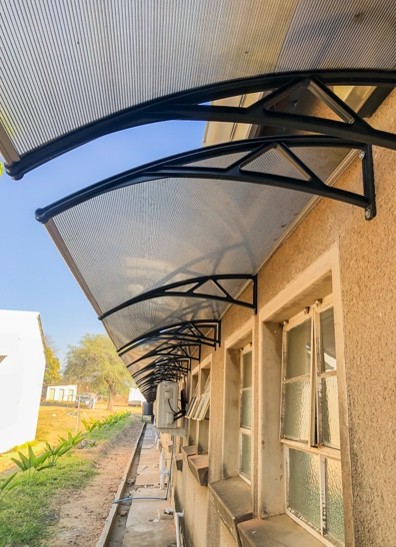
To translate these epidemiological data into operational solutions, HIGH Horizons implemented a participatory co-design framework involving healthcare personnel, policymakers, and community leaders. This stakeholder-driven approach led to immediate facility-level interventions, including structural cooling mechanisms, strategic reforestation for shade, and designated hydration stations. Alongside adaptation, the project implemented mitigation measures: solar energy provision, low-energy cooling systems, and energy-efficient lighting reducing the facility’s carbon footprint while protecting mothers and newborns from extreme heat.
Brian Sibanda, Assistant Social Scientist at CeSHHAR, emphasized that local integration is vital for the sustainability of climate adaptation protocols:
“Effective climate and health solutions cannot be developed for people without being developed with them. Their involvement helped us design solutions that were locally relevant, acceptable and easier to integrate into existing health systems.”
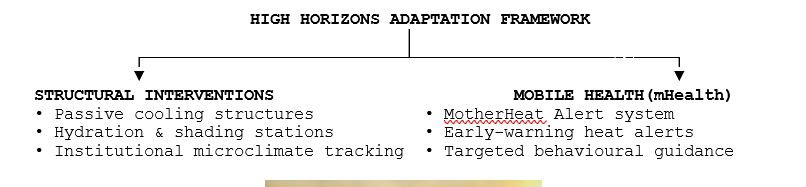
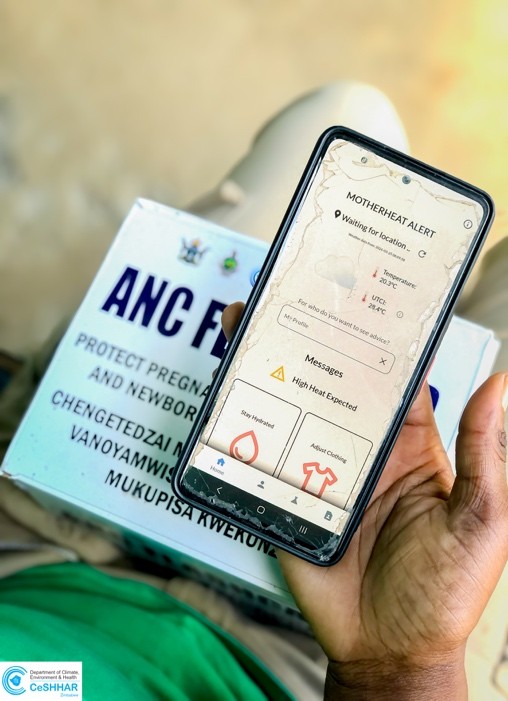
A core component of this intervention framework is MotherHeat Alert, a mobile health (mHealth) early-warning platform that pushes predictive weather alerts and behavioural mitigation advice to pregnant and postpartum demographics. To maximize efficacy, the digital intervention relies directly on established local healthcare providers and community heat champions.
Institutional Lessons for Future Health Adaptation
The structural and behavioral interventions validated by the HIGH Horizons project provide a replicable model for building climate-resilient health systems globally. The empirical evidence generated establishes that protecting maternal and neonatal health under escalating climate paradigms requires safeguarding the occupational environment of frontline healthcare providers.
Reflecting on the institutional shift from passive vulnerability to active climate adaptation, Tariro Chinozvina, HIGH Horizons Research Coordinator, concluded:
“The single thing that stands out most is the journey from heat as an invisible, ‘normalized’ condition to heat as a recognized, measurable health risk… Solutions delivered to people fade; solutions built with people last.”
Technical Resources & Global Launch
- The webinar slides shared during the session are also available for download: here
- Documentary Media: Watch Frontline: Too Hot to Heal and Meet the Field Team.