High Horizons

Co-design in climate adaptation 

The evidence on extreme heat and maternal health is robust, growing and increasingly difficult to ignore, and yet the gap between what that evidence recommends and what pregnant women and new mothers are actually able to do in the face of extreme heat remains one of the most persistent challenges in translating climate health research into real-world impact. Understanding why that gap exists, and how to close it, requires the global health community to look beyond the quality of its science and examine the assumptions embedded in how it designs the tools and systems built from that science. 
CategoriesBlog Posts

Uncoping: Insights from urban heat exposure during and after pregnancy

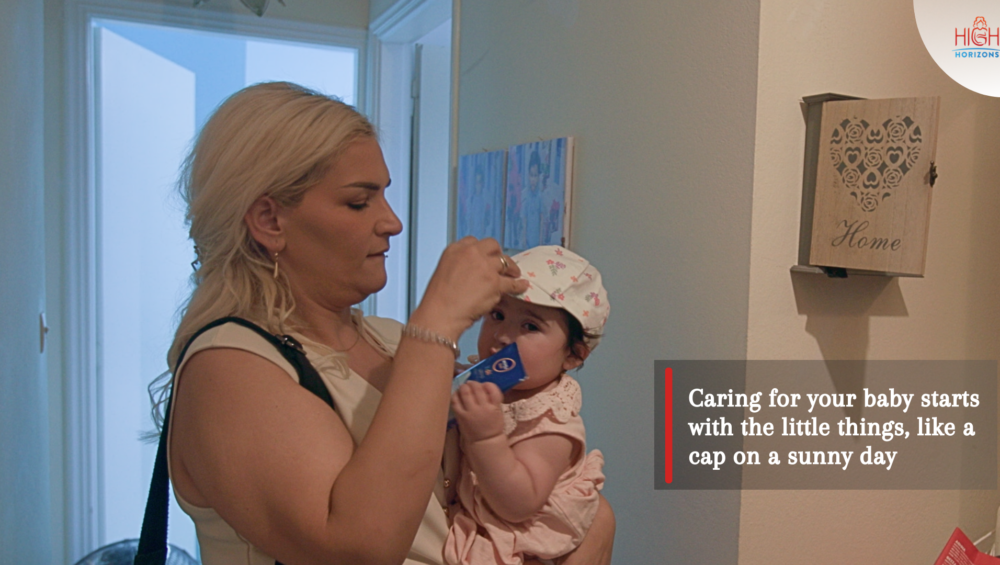
Pregnant and postpartum women in urban townships face extreme heat every day, hence, increasing health risks for mothers and their babies. The HIGH Horizons Project used Photovoice to capture these lived experiences, revealing how structural barriers make personal coping strategies fall short. These insights are now helping co-develop messages for early warning systems, including the MotherHeat Alert App, highlighting the need for solutions that go beyond individual responsibility to protect those most vulnerable.

CategoriesEvent

​​High Horizons at the COP28 Health Pavilion

​​8 December 09.30 – 10.45 (GMT+4) / 05.30 – 06.45 (GMT) This session will focus on the impact of climate change on maternal, newborn and child health (MNCH) addressing research approaches, findings and policy implications of a series of studies focusing on climate change and health and advocate solutions. The event will use a panel […]

CategoriesBlog Posts

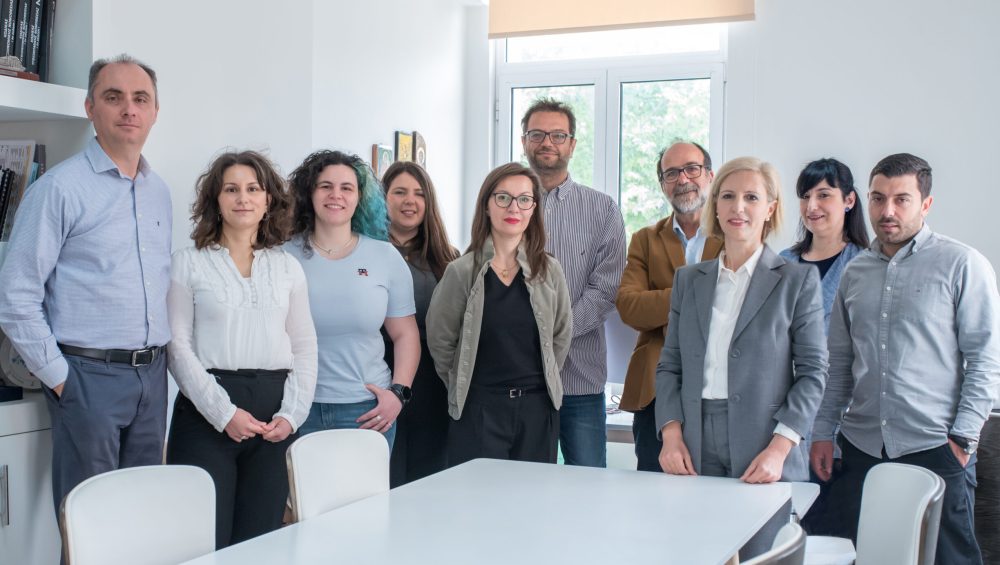
Greek team join HIGH Horizons in a bid to improve understanding of heat and pregnancy physiology

The team from the University of Thessaly (UTH), led by Prof. Hadjichristodoulou, brings expertise in epidemiology, biopathology and environmental engineering to the HIGH Horizons consortium. They will contribute to the project’s aim to assess and reduce heat impacts in pregnant women, infants and health workers in the EU and Africa. The UTH team was able to […]